May 4, 2026
Commercial roofs are built to protect large buildings, valuable equipment, daily operations, employees, inventory, and customers. When a roofing issue appears, it may seem minor at first. A small leak, loose flashing, damaged membrane, or ponding water can be easy to ignore when the building is still functioning. However, delaying repairs can allow those small issues to grow into expensive problems that affect far more than the roof itself.
For business owners and property managers, timely roof care is part of protecting the building's long-term value. A roof problem that is handled early may require a relatively simple repair, while a neglected issue may eventually lead to interior damage, structural concerns, safety risks, and operational interruptions. In this article, we'll explain what can happen if you delay commercial roof repairs and why it's important to act quickly when problems appear.
Small Problems Can Become Larger Repairs
Many commercial roofing issues begin in small, manageable ways. A minor puncture in the membrane, a separated seam, cracked flashing, clogged drainage, or worn sealant may not seem urgent at first. However, commercial roofs are constantly exposed to sun, wind, rain, temperature changes, debris, and foot traffic from maintenance work.
When these smaller problems are left alone, they often spread. Water can work its way beneath the roofing surface, insulation can become saturated, and nearby materials can begin to deteriorate. What started as a simple repair may become a much larger project that requires more labor, more materials, and more downtime.
A roofing contractor can identify early signs of damage before they become more serious. Acting quickly may help reduce repair costs and preserve more of the existing roof system.
Water Damage Can Spread Through the Building
One of the biggest risks of delaying commercial roof repairs is water intrusion. Even a slow leak can cause significant damage over time. Water may enter through one area of the roof and travel along the decking, insulation, beams, walls, and ceiling systems before it becomes visible inside the building.
By the time a stain appears on a ceiling tile or water drips into a workspace, the hidden damage may already be more extensive than expected. Moisture can damage drywall, flooring, electrical systems, inventory, equipment, and interior finishes. In some cases, leaks may also affect tenant spaces, customer areas, storage rooms, or production zones.
Water damage can be frustrating because it often moves quietly behind the scenes. Prompt roof repairs can help stop moisture before it spreads throughout the property.
Delays Can Lead to Mold and Indoor Air Concerns
When moisture remains trapped inside a commercial building, mold growth can become a concern. Wet insulation, ceiling materials, wall cavities, and other hidden areas may create conditions where mold can develop. This can affect indoor air quality and create added cleanup costs.
For businesses, mold concerns can also cause disruption. Certain areas may need to be closed off for remediation, employees may become uncomfortable working in the space, and customers or tenants may have concerns about the building environment. These problems can be much harder to manage than the original roof issue.
A delayed repair does not just affect the exterior of the building. It can create interior conditions that require specialized cleanup and additional restoration work.
Energy Costs May Increase Over Time
Commercial roof damage can also affect energy performance. Many roof systems rely on insulation, reflective surfaces, proper drainage, and sealed materials to help regulate indoor temperatures. When moisture enters the roof system, insulation may lose performance. Damaged membranes or deteriorated surfaces may also make the building less efficient.
As the roof system becomes less effective, heating and cooling systems may need to work harder to maintain comfortable indoor temperatures. Over time, this can contribute to higher utility bills and added wear on HVAC equipment.
These energy-related costs may not appear all at once, but they can add up. A roofing contractor can assess whether roof damage is affecting insulation, drainage, or overall performance.
Structural Components May Be Affected
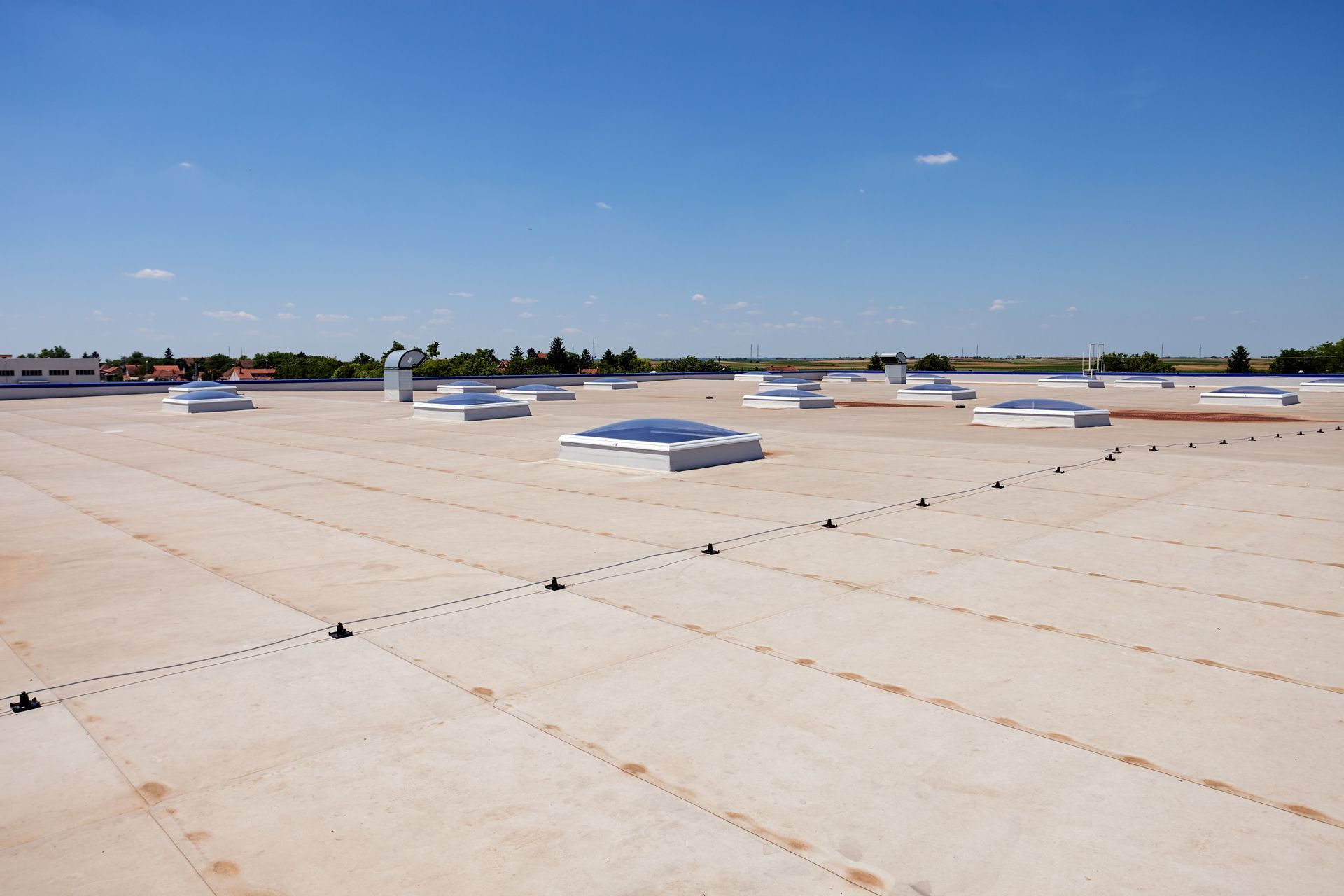
Commercial roofs cover large surface areas, and water can be especially damaging when it lingers. Ponding water, clogged drains, damaged flashing, and open seams can place stress on the roof system. If moisture reaches decking or structural materials, those components may weaken over time.
This is especially concerning for flat or low-slope commercial roofs. Water that does not drain properly can add weight and accelerate deterioration. In colder climates, trapped moisture may also freeze and expand, making the damage worse.
Structural repairs are often more complicated and expensive than surface-level roof repairs. Addressing damage early helps reduce the risk of deeper building issues.
Business Operations Can Be Interrupted
A delayed commercial roof repair can eventually interfere with daily operations. Leaks may force businesses to move equipment, close work areas, protect inventory, or pause certain activities. In retail spaces, water damage can affect the customer experience. In offices, it can disrupt employees. In warehouses or manufacturing facilities, it can threaten materials, machinery, and productivity.
When repairs become more extensive, the project itself may also take longer. A roof that could have been repaired quickly may eventually require larger sections to be replaced. That can create scheduling challenges, noise, safety planning, and access limitations.
Timely service helps businesses avoid unnecessary interruptions and maintain a safer, more reliable space.
Maintenance Records and Inspections Matter
Routine inspections are one of the best ways to catch commercial roof problems before they become severe. According to GAF, roof systems should be inspected at least twice a year, in the spring and in the fall. These seasonal inspections can help identify storm damage, drainage concerns, worn materials, and other issues before they spread.
Maintenance records may also be important for warranty coverage, insurance claims, budgeting, and long-term property planning. If repairs are delayed or inspections are skipped, it may be harder to show that the roof has been properly maintained.
A roofing contractor can provide documentation, repair recommendations, and condition reports that help property owners make informed decisions.
Repair Costs Can Rise the Longer You Wait
Delaying repairs rarely makes a roofing problem less expensive. In many cases, the opposite happens. Materials continue to break down, water damage expands, labor needs increase, and interior restoration may become necessary. A small repair may eventually turn into a partial replacement or full roof replacement.
Waiting can also make emergency services more likely. Emergency roofing work may be needed after a storm, sudden leak, or major failure. These situations can be stressful and more difficult to schedule around normal business operations.
Early action gives property owners more control. It allows time to compare repair options, plan the work, and avoid rushed decisions.
Commercial roof repairs should not be put off when signs of damage appear. Small problems can grow into water damage, mold concerns, higher energy costs, structural issues, business interruptions, and more expensive repairs. Routine inspections, timely maintenance, and professional evaluations can help protect your building and reduce long-term risks. If you have noticed leaks, ponding water, damaged flashing, or other signs of roof trouble, contact Highbridge Restoration today to schedule an inspection and get the repairs your commercial property needs. Staying proactive can also help you plan ahead, avoid surprise disruptions, and keep your building safer for employees, tenants, customers, equipment, and daily operations throughout the year.