November 9, 2026
A home is often considered an individual's or family's most valuable asset. The construction and maintenance aspects of a home significantly dictate its longevity, and one of the primary components contributing to this is the choice of roofing materials. While aesthetics and costs are commonly prioritized, the selection of durable and suitable roofing materials is crucial for ensuring the home's prolonged lifespan. The right material shields the structure from the elements, enhancing energy efficiency and increasing the home's value over time. It's essential to explore different materials available to match the unique needs of each home. Furthermore, understanding the pros and cons of these materials can lead to more informed and effective decision-making.
In fact, according to HomeGuide, installing a new roof can increase a home’s value and typically returns up to 85% of the investment, depending on the roofing material. Hence, choosing the right type is vital not just for immediate benefits but also for long-term returns. Throughout this article, we will delve into the most reliable roofing materials and their profound impact on your home's durability and sustainability. With detailed insights, homeowners can make decisions that not only improve their property value but also promote long-term sustainability. By considering both financial and environmental factors, roofing choices become strategic investments toward a better future.
Explore Asphalt Shingles
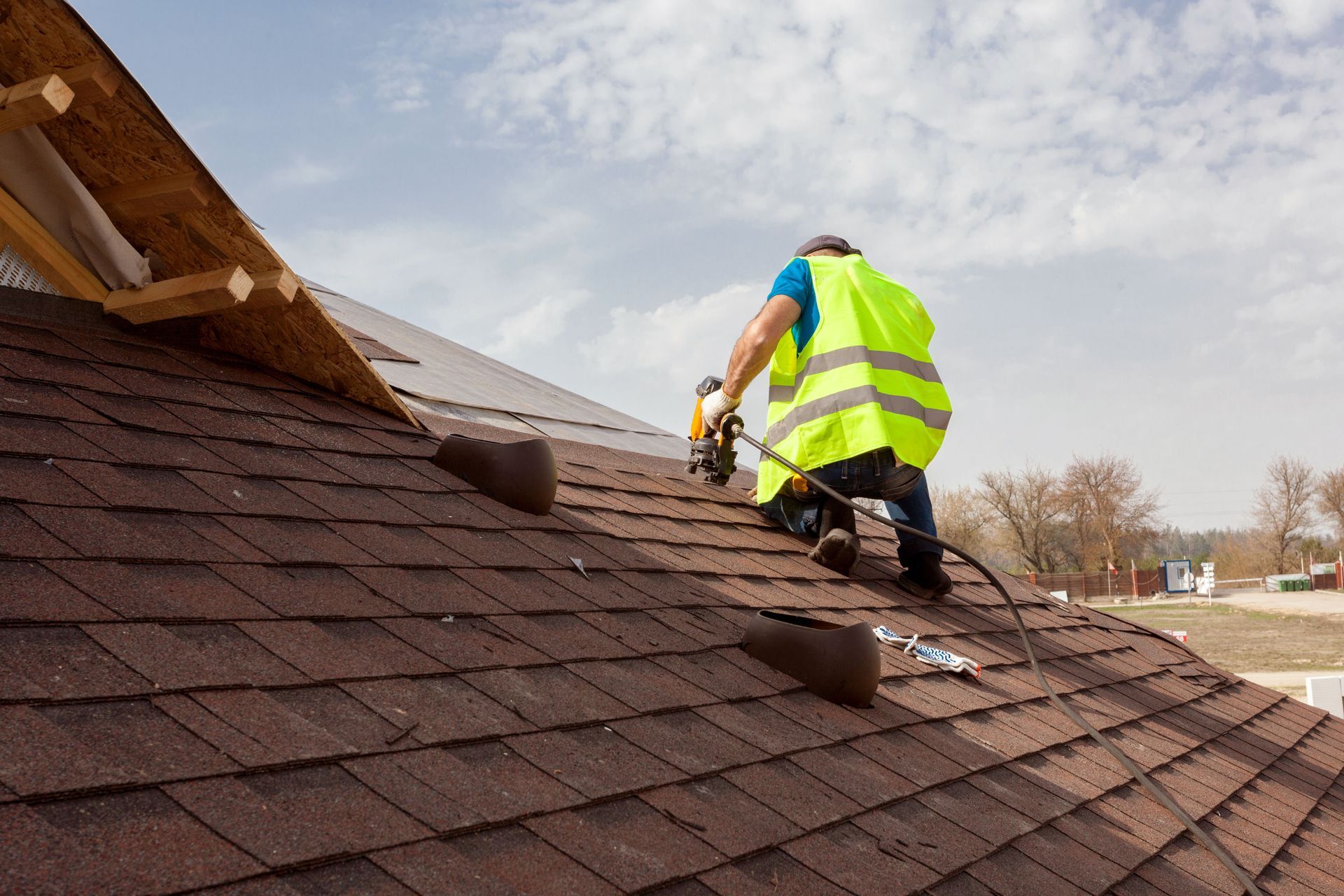
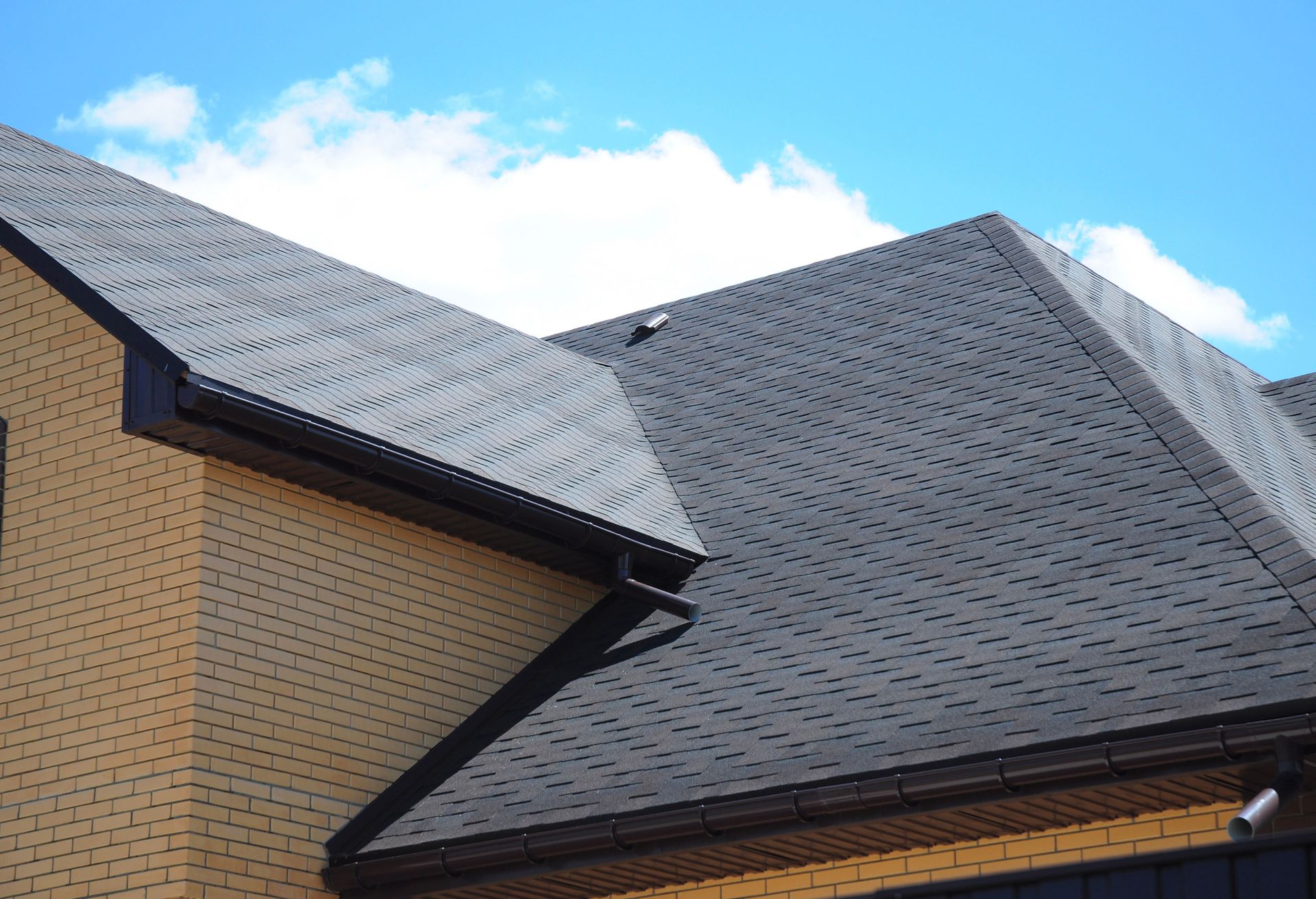
Asphalt shingles are the most common type of roofing material used across North America due to their affordability and ease of installation. They come in various styles and colors, offering versatility in design. Additionally, according to our experience, they have an average lifespan of 15 to 30 years, depending on their quality and exposure to the elements. State-of-the-art manufacturing processes have further improved their durability. It's important to select high-quality shingles that meet industry standards to maximize their lifespan.
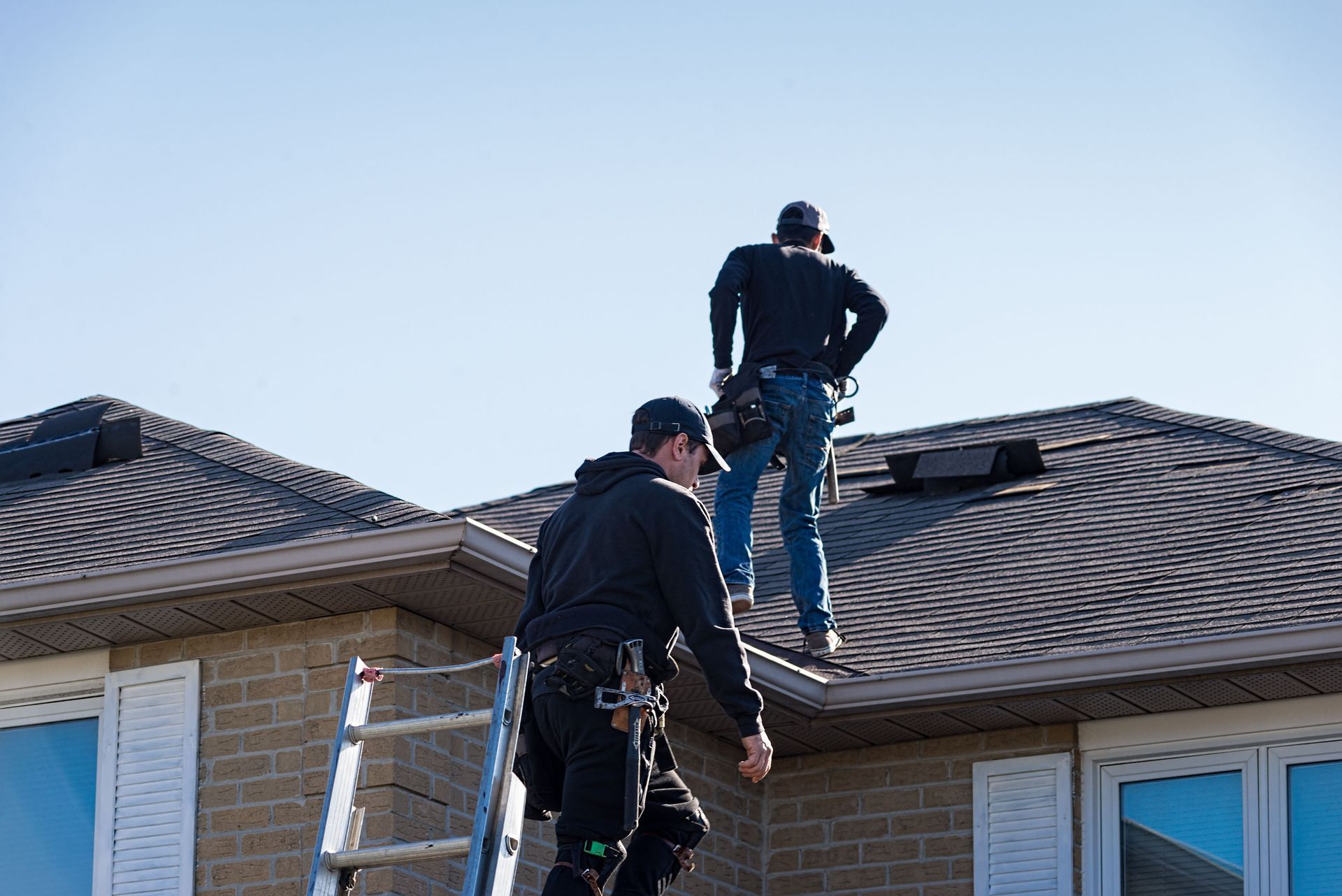
Despite their relative economy, asphalt shingles require periodic maintenance and inspections by experienced roofing contractors to prevent common issues like granule loss and curling. Well-maintained asphalt shingles can effectively resist wind and water damage, ensuring the structural integrity of your home over several decades. Regular inspections can help anticipate repairs, ultimately saving money by avoiding extensive damage. Homeowners who prioritize upkeep are likely to enjoy benefits such as lower repair costs and extended roof longevity.
Understand EPDM Roofing
EPDM, or Ethylene Propylene Diene Monomer, roofing is a durable synthetic rubber membrane widely used in commercial and residential applications. Known for its long-lasting nature and ability to withstand extreme temperatures, EPDM has an expected lifespan of around 20 to 35 years, according to our experience. It is also appreciated for its resistance to UV rays and ozone, making it a solid choice for homes in sun-drenched climates. The flexibility of EPDM reduces stress on the roofing material during temperature fluctuations. Consequently, this resiliency supports its long-term performance across various environmental conditions.
EPDM roofing is typically installed in large sheets, reducing the number of seams and thus the likelihood of leaks. The simple installation process and minimal maintenance contribute to its appeal among homeowners seeking cost-effective roofing solutions. Engaging professional roofing contractors ensures its proper application, optimizing its protective qualities against severe weather conditions. Regular maintenance will prolong EPDM's life, adding efficiency and protection to homeowners' investments. Additionally, routine checks can help identify any potential vulnerabilities early, averting costlier fixes in the future.
Discover Flat Roofing Systems
Flat roofing systems are a sleek and modern choice, especially for contemporary homes and commercial properties. Built with a slight pitch to facilitate drainage, flat roofs can be crafted from diverse materials, including modified bitumen, built-up roofing (BUR), and single-ply membranes. Although they require more challenging maintenance due to drainage considerations, they offer unique design flexibility. With growing urbanization, flat roofs provide a practical and efficient use of space, often allowing for rooftop gardens or recreational areas. This adaptability makes them an enticing option for environmentally-friendly building designs.
With proper maintenance, flat roofs can last between 10 and 20 years, according to our experience. However, issues like water and potential leaks necessitate regular examination by qualified roofing contractors. Despite their reduced lifespan compared to pitched systems, the adaptability and cost-effectiveness of flat roofs showcase them as a top choice in specific modern architectural designs. Proactive maintenance reduces the likelihood of drainage issues and extends the roof's usability. Homeowners should schedule consistent check-ups to keep the roofing in optimal condition, enjoying peace of mind and extended service from their investment.
Introduce Solar Roofing Systems
Solar roofing systems represent a sustainable innovation in residential construction, integrating solar energy capturing technology directly into the roofing material. Offering both protective and energy-generating functions, these systems can significantly reduce your home’s carbon footprint while potentially lowering electricity costs. The financial and environmental incentives offer compelling reasons to opt for solar roofing. As more innovations emerge, these systems grow in efficiency and attractiveness to various homeowners.
The initial investment in solar roofs is higher than traditional materials, but their dual benefits make them an attractive option. Their durability, coupled with the added value from energy savings, ensures a good return on investment. As solar technology continues to advance, these roofs are expected to last upwards of 25 years, according to our experience, often requiring minimal maintenance beyond routine cleaning. Participation in available solar incentives could provide additional financial benefits to inform decisions about solar roofing. With sustainability a major consideration, solar roofs lead the way in transforming home energy use and efficiency.
Examine TPO Roofing
Thermoplastic Olefin (TPO) roofing is a single-ply roofing membrane renowned for its energy efficiency and resilience. TPO is a preferred choice for both commercial and residential properties due to its ability to reflect UV radiation, thus reducing cooling costs. These roofs typically last 15 to 20 years, according to our experience, depending on environmental conditions and maintenance levels. The material's robust construction underpins its durability, reducing long-term repair costs. This investment not only offers energy savings but also decreases operational costs through reduced maintenance demands.
One of the distinctive benefits of TPO roofing is its resistance to dirt, algae, and punctures, ensuring a clean and intact surface over time. The installation process is straightforward, and engaging skilled roofing contractors ensures the seams are effectively welded to prevent leaks. TPO’s combination of longevity, environmental benefits, and cost savings makes it a strong contender in roofing solutions today. Environmental agencies often encourage the use of such materials due to their positive ecological impact. This change boosts the home’s eco-friendliness, aligning with future sustainability trends.
Through examining various roofing materials, it becomes evident that durability and proper installation are integral to a home's lifespan. Each material, from traditional asphalt shingles to innovative solar options, offers distinct advantages and potential returns on investment, underscoring the need for thoughtful selection based on climate, budget, and aesthetic preferences. Professional roofing contractors play a pivotal role in ensuring the materials are applied correctly, enhancing their lifespan and performance. The selection process should also take future trends into account, including regulatory changes that may affect roofing standards. As environmental issues gain prominence, choosing sustainable materials will become even more significant. Thus, as you consider re-roofing or selecting materials for a new build, remember that the quality of workmanship and material choice are quintessential to protecting and enhancing your home. Reach out to Highbridge Restoration to learn more about our roofing contractors and services today.