October 8, 2026
Residential roofing technology has advanced significantly over recent decades, shifting from basic shelter protection toward highly engineered, energy-efficient building envelopes. Technological innovations have introduced materials that better withstand sudden weather shifts and prolonged solar exposure. Today's roofing systems integrate advanced synthetic underlayments, reflective granule technologies, specialized attic ventilation channels, and heavy-duty impact-resistant materials designed to withstand severe weather events. Understanding how these modern components work together empowers property owners to make informed decisions when balancing long-term durability, visual appeal, and household maintenance budgets. Whether you are dealing with minor storm damage or planning a full home renovation, evaluating the condition of your roof ensures your living spaces remain safe and dry. Modernizing your roof is an investment that enhances curb appeal while fortifying structural security. Consulting a certified local roofing contractor helps homeowners navigate the wide array of cutting-edge materials and installation techniques available on the current market.
Evaluating the Main Differences Between Roof Repair and Complete Replacement
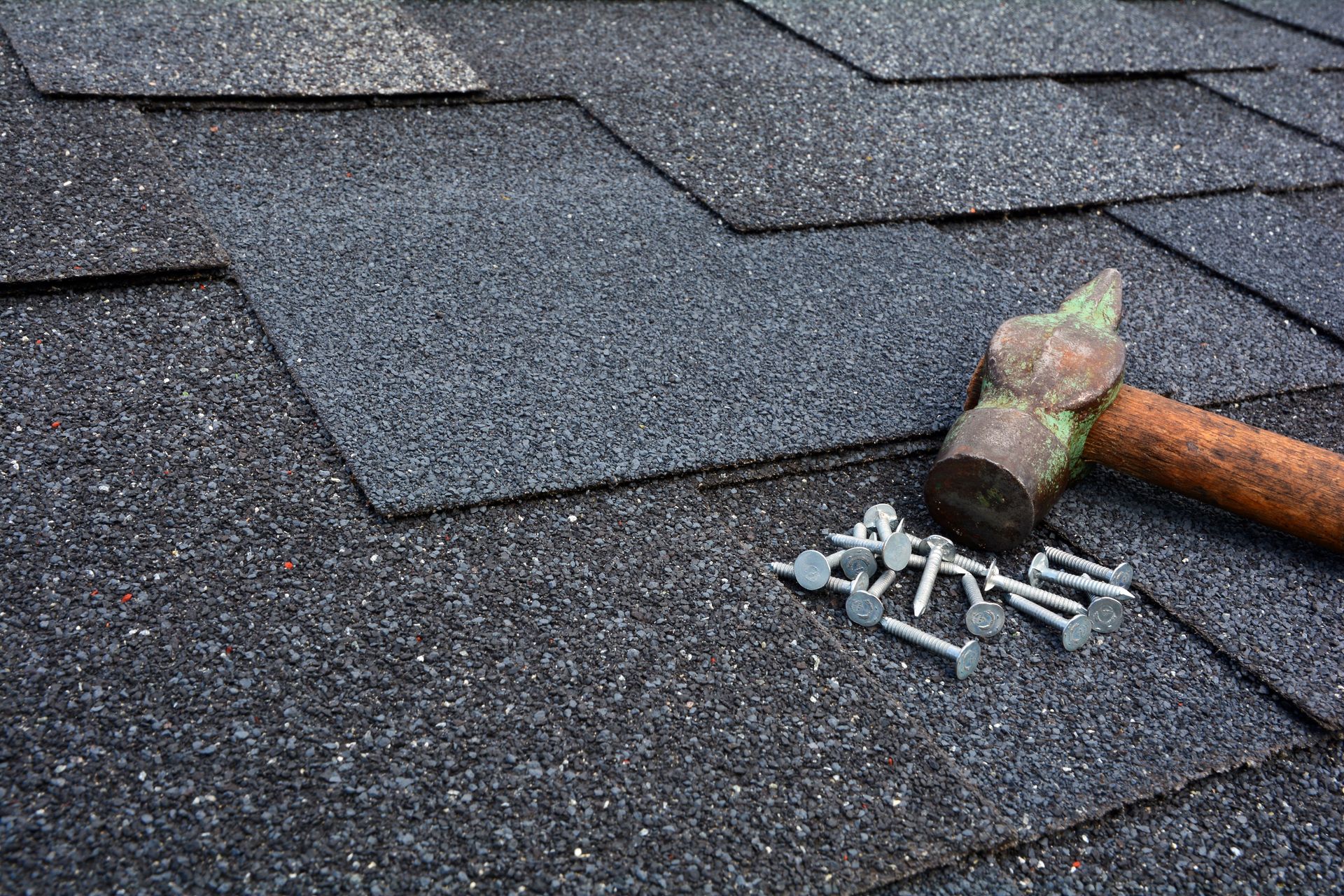
When homeowners notice water stains on ceilings or loose shingles after a storm, determining the appropriate scope of work is critical. An accurate diagnosis prevents property owners from spending money on unnecessary complete tear-offs when a quick fix suffices. According to HomeGuide, opting to repair a roof is generally the preferable choice if under 25% of the structure suffers damage, repair expenses do not exceed 30% of full replacement costs, and the roofing system is less than 20 years old. Minor issues like isolated flashing leaks or a few missing shingles can be corrected quickly without incurring the substantial expense of a full system tear-off. However, widespread structural degradation, widespread aging, or persistent leaks across multiple slopes typically indicate that the entire roof assembly has reached the end of its useful lifespan. Scheduling a comprehensive inspection with an experienced local roofing contractor provides a detailed assessment of underlying decking conditions and helps identify the most cost-effective path forward.
Understanding Modern Materials from Architectural Shingles to Standing Seam Metal
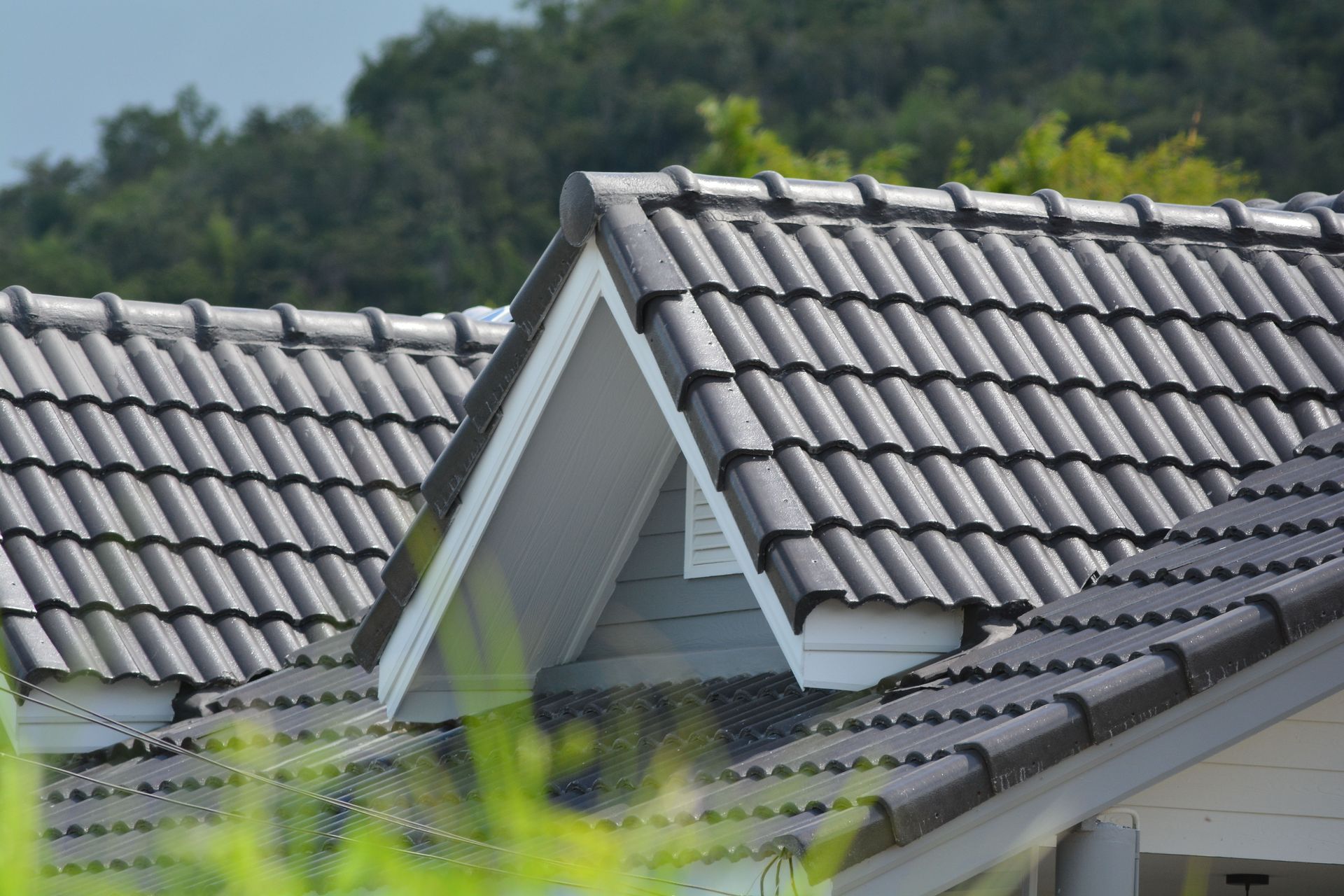
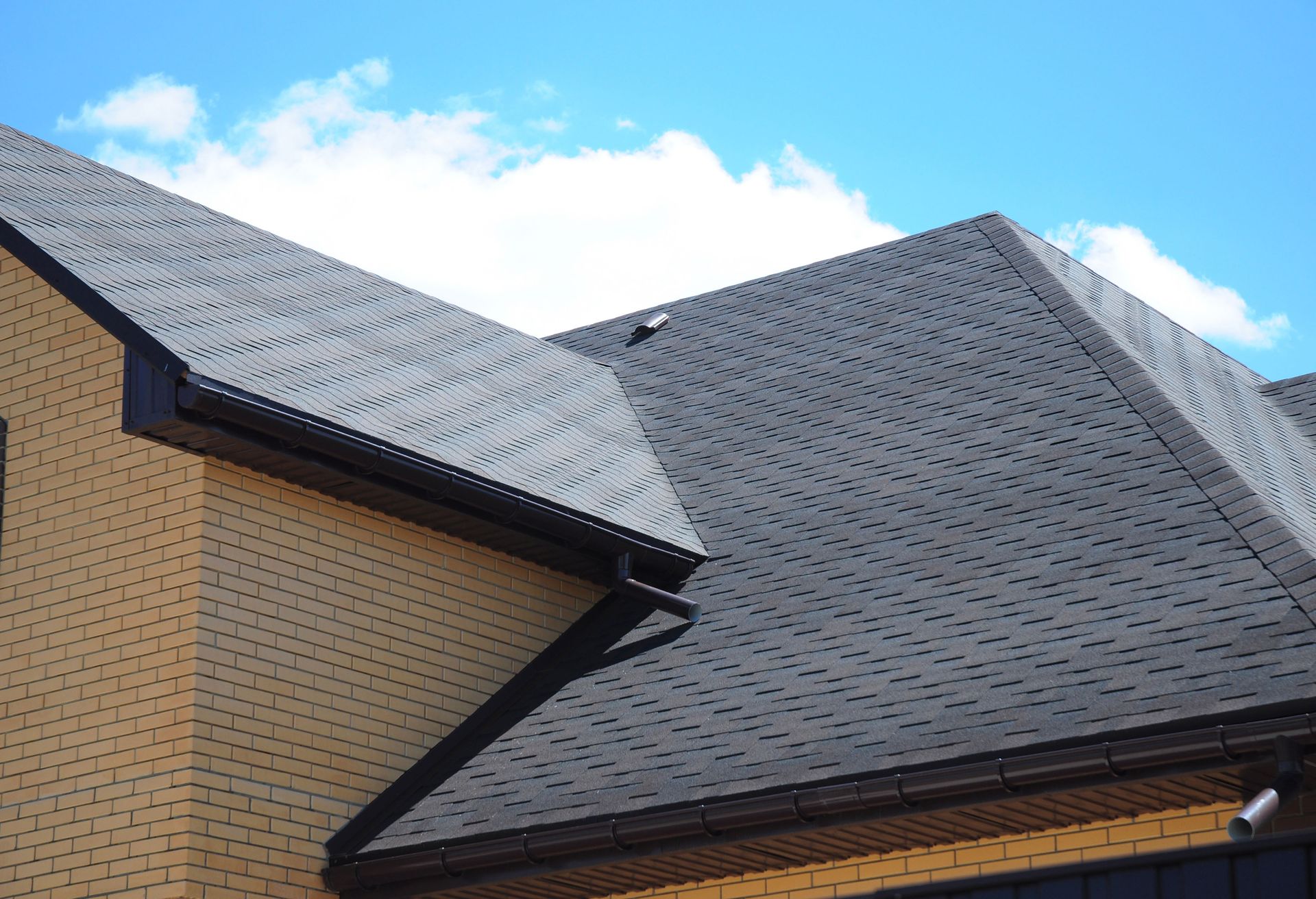
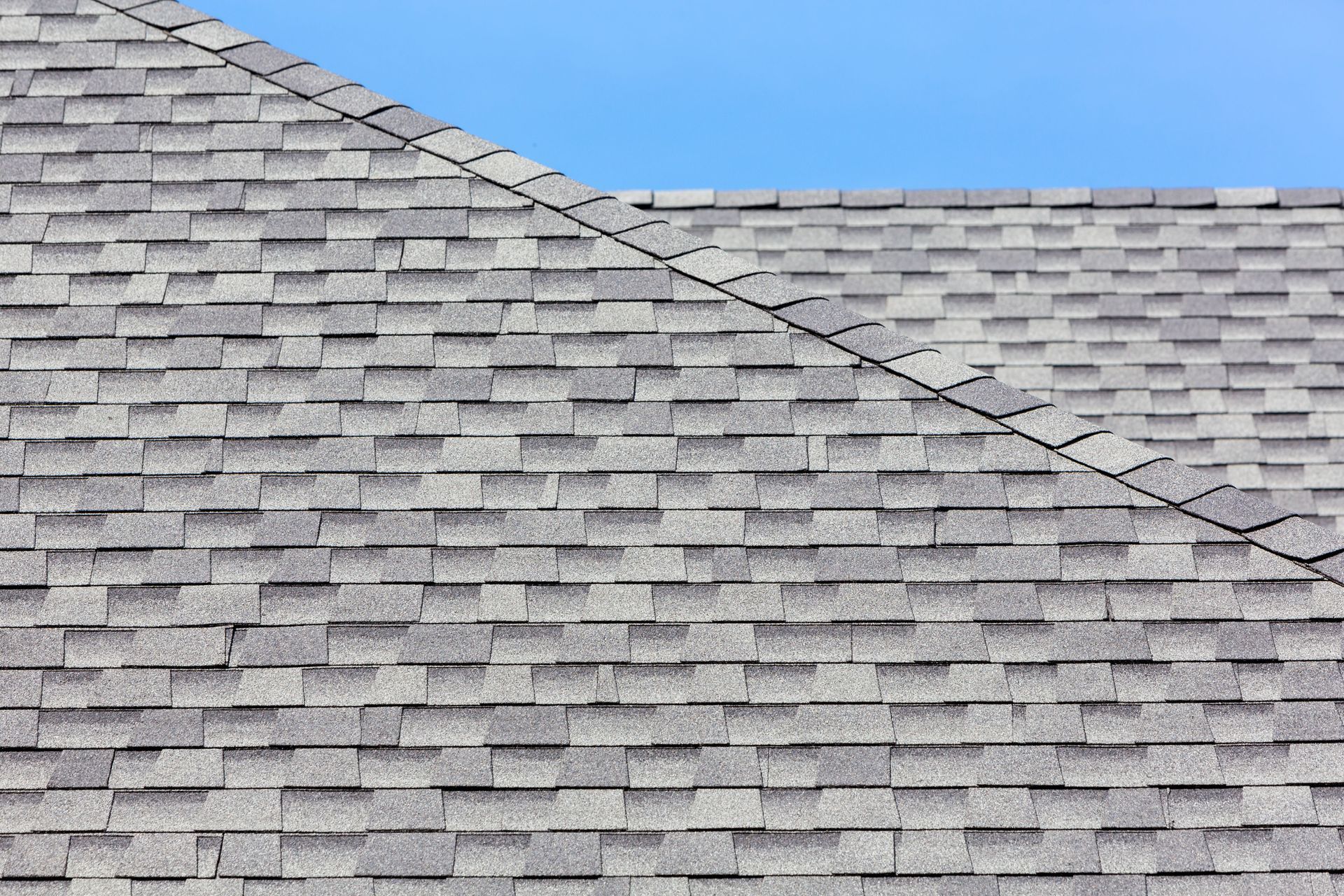
Homeowners today can choose from a wide variety of roofing materials, each offering distinct aesthetic benefits, lifespan expectations, and performance characteristics. Selecting the right material involves weighing upfront material costs against long-term durability and maintenance obligations. Traditional three-tab asphalt shingles have largely been replaced by dimensional architectural shingles, which feature multi-layered construction for enhanced wind resistance and a rich dimensional appearance. Meanwhile, standing seam metal roofing continues to grow in popularity due to its exceptional longevity, high fire resistance rating, and superior performance in extreme climate conditions. Composite synthetic slate and tile options also offer the timeless beauty of natural materials without requiring heavy structural roof reinforcement. Partnering with a skilled local roofing contractor allows property owners to select durable materials that complement their architectural style while meeting local weather challenges.
Enhancing Energy Efficiency With Reflective Materials and Proper Attic Ventilation
A modern roof plays a direct role in regulating indoor household temperatures and minimizing monthly utility expenditures throughout the year. Effective climate control relies heavily on keeping the temperature underneath your roof deck within a safe range. Advanced roofing materials feature cool-roof granule technologies that reflect solar infrared radiation away from the home, reducing attic thermal buildup during hot summer months. Furthermore, proper intake and exhaust ventilation systems ensure continuous air circulation, preventing heat entrapment in summer and moisture condensation in winter. Uncontrolled attic moisture can compromise wood roof decking, degrade fiberglass insulation, and encourage mold growth over time. Engaging a knowledgeable local roofing contractor ensures your ventilation ratio is precisely calculated to balance ridge vents and soffit intakes for maximum energy conservation.
Protecting Structural Integrity With Advanced Underlayments and Leak Barriers
While surface shingles or metal panels provide primary weather defense, the underlying barrier layers are equally vital for long-term leak protection. Secondary waterproofing membranes act as a final safety net when high winds push rain under outer shingles. Traditional asphalt-saturated felt paper has largely given way to high-strength synthetic underlayments, which resist tearing, repelling water far more effectively during installation. Additionally, self-adhering ice and water shield membranes are applied along vulnerable eaves, valleys, chimneys, and skylights to block wind-driven rain and ice dam backups. These heavy-duty waterproof barriers seal tightly around nail penetrations, ensuring sub-surface wood decking remains completely dry even during severe rainstorms. Comprehensive water barrier protection safeguards your home's structural framing from hidden moisture decay. Working with a qualified local roofing contractor guarantees that essential protective underlayments are installed according to manufacturer specifications and local building codes.
Assessing Storm Resistance Ratings and Impact-Resistant Roof Features
Extreme weather events like hail storms and severe wind gusts present significant threats to residential roofing assemblies. Investing in storm-hardened products minimizes the likelihood of severe structural leaks after sudden summer hail storms. Modern manufacturing processes produce Class 4 impact-resistant shingles designed to withstand severe hail strikes without cracking or losing protective granules. Additionally, reinforced sealant strips and specialized nailing patterns allow modern shingles to withstand wind speeds upwards of 130 miles per hour without blowing off. Upgrading to impact-resistant roofing materials often qualifies homeowners for substantial discounts on annual property insurance premiums. Consulting a trusted local roofing contractor helps identify class-rated products that satisfy regional wind and hail requirements while lowering long-term insurance risks.
Navigating Roof Warranties and Protecting Your Long-Term Capital Investment
Investing in a modern roofing system involves two distinct categories of warranty protection: manufacturer material warranties and contractor workmanship guarantees. Understanding warranty fine print ensures you take the necessary maintenance steps to keep coverage active. Manufacturer warranties cover material defects, offering non-prorated coverage periods that can range from twenty years to lifetime protection depending on the product tier selected. Workmanship warranties, on the other hand, cover installation errors and are provided directly by the installation team executing the project. Understanding the specific terms, transferability options, and maintenance obligations of both warranty types prevents unexpected out-of-pocket expenses if issues arise later. Selecting an established local roofing contractor ensures that your installation complies fully with factory guidelines, keeping all manufacturer warranty protections completely intact.
Recognizing the Value of Routine Inspections and Preventative Maintenance
Proactive roof maintenance extends the operational lifespan of your shelter while preventing minor surface flaws from developing into expensive interior water damage. Simple routine care frequently stops hidden leaks from rotting interior roof trusses. Environmental debris like fallen leaves, moss buildup, and clogged gutters trap moisture against shingle surfaces, causing premature granule loss and wood rot along eaves. Performing biannual visual inspections in spring and autumn allows property owners to spot cracked rubber pipe boots, loose flashing, or damaged ridge caps early. Identifying minor wear early keeps maintenance costs manageable over the entire life of your roof. Requesting routine maintenance reviews from a dependable local roofing contractor keeps your drainage pathways clear and catches subtle wear before heavy winter storms arrive.
A well-designed, modern roofing system represents one of the most vital investments you can make to protect your home's structural health, resale value, and interior safety. Quality installation craftsmanship ensures that every component performs exactly as intended by the manufacturer. From selecting energy-efficient materials to verifying proper attic airflow and sub-surface waterproofing, every step of the installation process demands technical accuracy and trade expertise. Taking time to research modern material options and understanding repair thresholds prepares homeowners to make confident, budget-conscious decisions. Contact Highbridge Restoration today to schedule your comprehensive roof inspection and safeguard your home with expert, long-lasting roofing solutions.