August 3, 2026
Severe weather can arrive with little warning, and your roof is one of the most important parts of your home’s defense against wind, hail, heavy rain, and falling debris. Preparing before a storm can help reduce the risk of damage and make it easier to identify vulnerabilities while conditions are still safe. A storm-ready roof depends on more than the shingles visible from the ground because flashing, gutters, ventilation, seals, and underlying materials can all affect performance. Homeowners should also understand that even a roof that appears to be in good condition may have hidden weaknesses that become more serious during severe weather. According to the experts at Water Damage Advisor, hailstorms alone cause more than $14 billion in insured losses each year, contributing to strong demand for roof repair and home restoration services. Taking preventive steps before storm season can help protect the structure and the belongings inside it. Working with local roofers can also provide valuable insight into the condition of your roof and the improvements that may help it withstand challenging weather.
Inspect the Roof Before Storm Season
A professional roof inspection is one of the most practical ways to prepare your home for severe weather. An experienced roofing professional can look for cracked, curling, loose, or missing shingles that may be vulnerable to wind and rain. The inspection should also include flashing around chimneys, vents, skylights, and other roof penetrations. Small problems may not appear urgent during mild weather, but they can become entry points for water during a storm. Local roofers can identify areas that may require attention before severe weather exposes those weaknesses. Homeowners should avoid waiting until a storm is approaching because scheduling and repair availability may become limited. Addressing minor concerns early may help reduce the possibility of more extensive damage later. A pre-storm inspection provides a clearer understanding of what your roof needs before dangerous weather arrives.
Secure Loose Roofing Materials
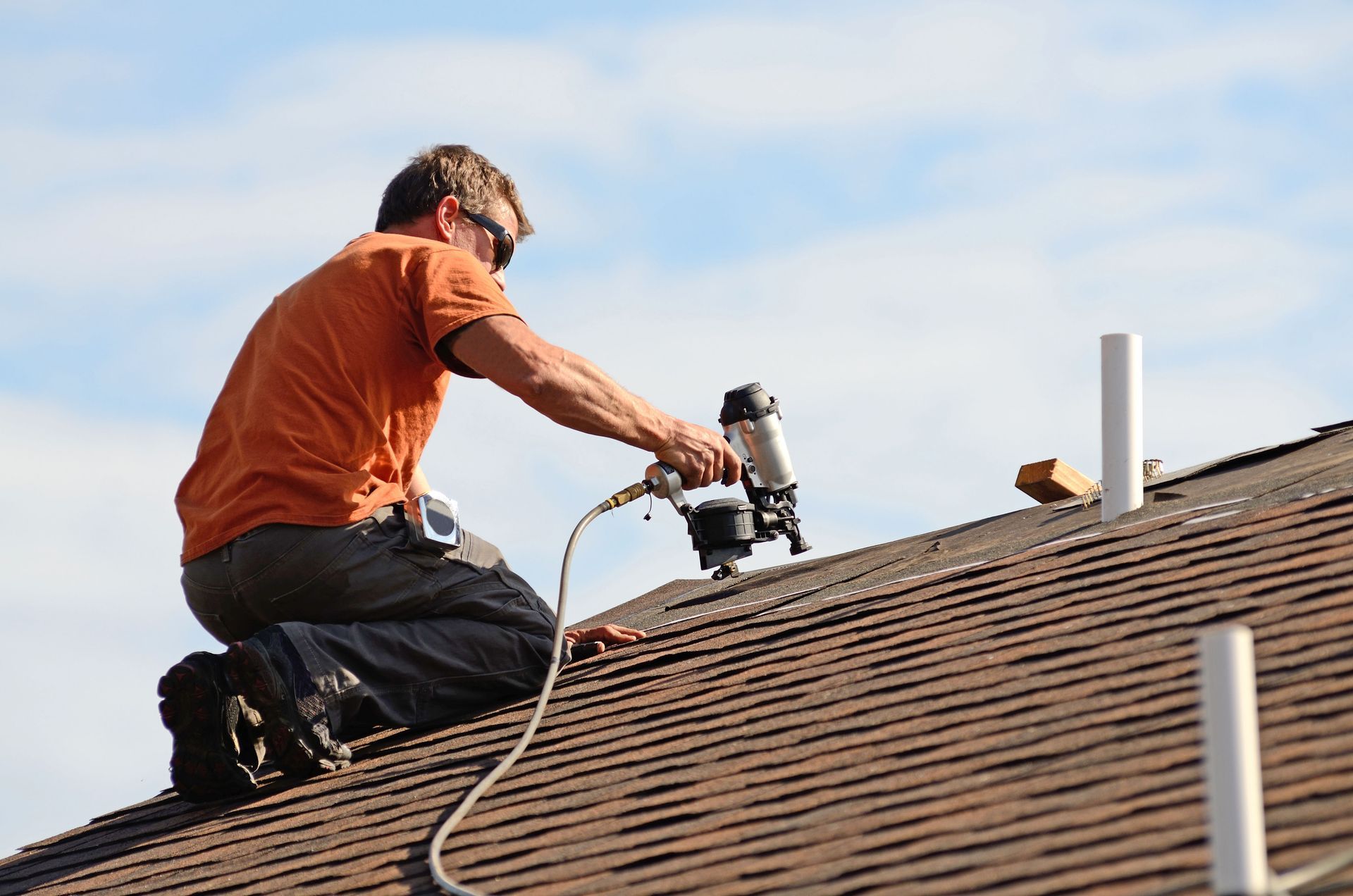
Loose roofing materials can become dangerous during high winds. Shingles, flashing, vents, and other components may shift or detach when exposed to strong gusts. A local roofing contractor can inspect these materials and determine whether they need to be repaired, secured, or replaced. Homeowners should never climb onto a roof themselves when severe weather is approaching because conditions can become dangerous quickly. Loose materials may also allow water to enter the roof system if they are not addressed properly. Professional repairs can help restore the integrity of vulnerable areas before the next storm. It is also important to check areas where previous repairs may have deteriorated over time. Securing roofing components with your local roofers before a storm can help reduce the risk of both structural damage and flying debris.
Clear and Maintain Your Gutters
Gutters play an important role in directing rainwater away from the roof and foundation. When gutters become clogged with leaves, branches, and other debris, water may back up against the roofline. This can increase the risk of water entering vulnerable areas around the edge of the roof. Local roofers may identify gutter problems during a broader roof inspection and recommend appropriate maintenance or repairs. Downspouts should also be checked to make sure water can flow away from the home without creating pooling near the foundation. Homeowners should clean gutters regularly, especially before seasons when heavy rainfall is expected. Proper drainage can help reduce unnecessary stress on the roof and other parts of the home. Keeping gutters clear is a relatively simple maintenance step that can support broader storm preparation efforts.
Check Flashing and Roof Seals
Flashing helps protect areas where the roof meets chimneys, walls, vents, and other structures. These locations can be particularly vulnerable because they involve transitions where water may find a path into the home. Damaged, loose, or deteriorated flashing can allow rain to penetrate beneath roofing materials. Local roofers can examine these areas and determine whether repairs or replacement are necessary. Sealants around roof penetrations may also deteriorate because of age, sunlight, temperature changes, and weather exposure. Replacing damaged seals can help reduce the risk of leaks during heavy rainfall. Homeowners should pay close attention to any history of leaks around chimneys, skylights, or vents. Maintaining these vulnerable areas can help strengthen the roof’s overall resistance to storm-related water intrusion.
Trim Nearby Trees and Branches
Trees near a home can create additional risks during severe weather. Large branches may break during high winds and fall onto the roof, causing damage to shingles, flashing, gutters, or the underlying structure. Dead or weakened branches can be particularly hazardous during storms. Homeowners should have potentially dangerous trees and branches evaluated before severe weather becomes a concern. Local roofers may notice overhanging branches during an inspection, although tree work should be performed by qualified professionals who specialize in that service. Branches should also be kept away from roof surfaces when possible to reduce scraping and impact risks. Regular tree maintenance can help limit the amount of debris that lands on the roof during a storm. Managing nearby vegetation is an important part of protecting the roof and the rest of the home.
Document Your Roof’s Condition
Taking photographs and keeping records of your roof’s condition before a storm can be useful for several reasons. Clear images can provide a reference point if damage occurs later. Homeowners may also want to keep records of inspections, repairs, replacements, and maintenance work. Local roofers can provide documentation related to professional inspections or completed repairs. These records may help homeowners understand the age and history of different roofing components. A documented baseline can make it easier to compare the roof’s condition after severe weather. Homeowners should store important records in a secure location where they will not be lost if the property experiences damage. Keeping organized information can make post-storm evaluation and restoration planning more efficient.
Know When Professional Repairs Are Needed
Some roof problems require professional attention before a storm arrives. Missing shingles, visible sagging, damaged flashing, leaks, and extensive wear may indicate that the roof needs more than routine maintenance. A local roofing contractor can evaluate the problem and explain the available repair options. Homeowners should avoid covering up serious issues with temporary solutions that may not withstand severe weather. Professional repairs can address the underlying cause rather than simply masking visible symptoms. If a roof has extensive damage or is nearing the end of its service life, a professional may also discuss whether larger improvements are appropriate. Early repairs may help prevent a minor weakness from becoming a major storm-related failure. Knowing when to seek professional help is an important part of responsible roof preparation.
Prepare for Post-Storm Restoration
Even a well-maintained roof can experience damage during a powerful storm. Homeowners should know what steps to take if wind, hail, rain, or debris affects the property. After a storm passes, avoid entering areas that may be structurally unsafe or attempting dangerous roof inspections without professional assistance. A local roofing professional can assess visible damage and identify issues that may not be apparent from the ground. Homeowners should also document damage with photographs when it is safe to do so. Prompt attention can help limit water intrusion and prevent secondary damage from developing. Highbridge Restoration can assist homeowners with restoration needs when storm damage affects the property.
Having a plan before severe weather arrives can make the recovery process more organized.
Even small issues can become more serious when exposed to high winds, hail, and heavy rain. Highbridge Restoration can help homeowners address storm-related concerns and respond when damage requires professional restoration. If your roof has visible wear, previous storm damage, or areas that concern you before the next severe weather event, now is the time to schedule an evaluation. Contact us today to discuss your roof and restoration needs and take proactive steps toward protecting your home from storm damage.