June 3, 2026
Your roof is one of the most important protective features of your home. It shields the structure from rain, snow, wind, heat, debris, and changing temperatures throughout the year. Because it is constantly exposed to the elements, even a strong roof can develop problems over time. Some issues are obvious, such as missing shingles or active leaks, while others are harder to notice until damage has already spread. Paying attention to small warning signs can help homeowners avoid larger and more expensive roofing concerns later.
Knowing when to schedule roof repair can help homeowners avoid more expensive problems later. Small concerns may lead to water damage, mold growth, insulation issues, or structural deterioration if they are ignored. By learning the warning signs, you can act sooner and protect your home more effectively. If you are unsure about what you are seeing, roofing contractors can inspect the roof and explain whether repairs are needed.
1. Checking for Missing or Damaged Shingles
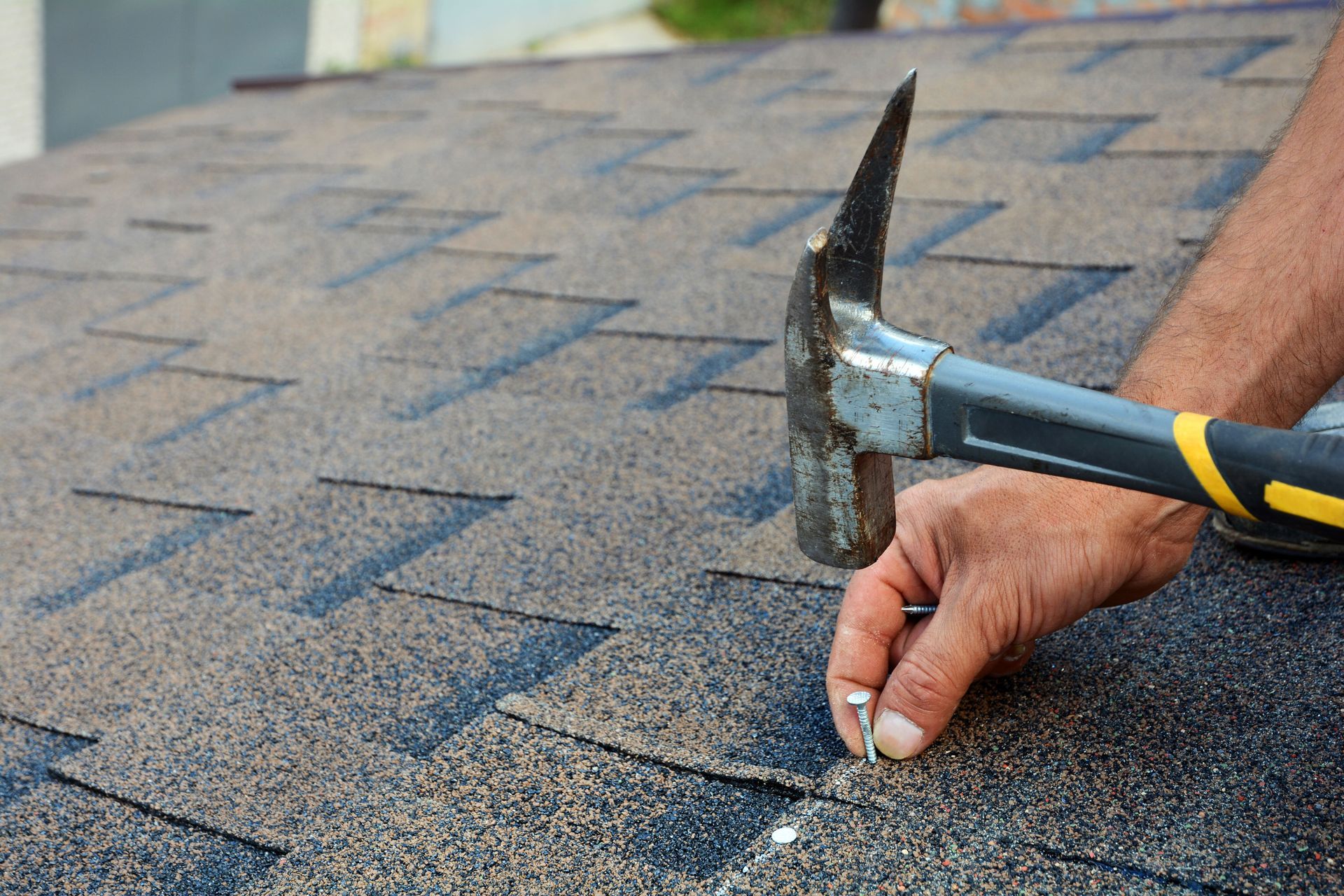
One of the simplest ways to tell whether your roof may need repair is to look for missing, cracked, curling, or broken shingles. Shingles form the outer layer of protection for your roof, so damaged areas can leave the materials underneath exposed to moisture and weather. After heavy wind, hail, or storms, it is especially important to check the roof from the ground for visible changes. Strong weather conditions can loosen shingles even if damage is not immediately obvious.
You should never climb onto the roof if it is unsafe, but you can often spot problems from the yard or driveway. Look for uneven patches, bare areas, lifted edges, or shingles that appear out of place. If you find pieces of shingles around your property, it may be time to schedule an inspection. Professional roofing contractors can determine whether a few repairs are enough or whether the damage is more widespread. Early repairs can help prevent moisture from reaching the underlayment and structural components below.
2. Looking for Interior Water Stains
Water stains on ceilings or walls can be a warning sign that your roof is allowing moisture inside. These stains may appear as brown, yellow, or dark marks and may grow larger after rain. Even if the stain seems small, it could indicate a leak that has traveled through insulation, attic materials, or wall spaces before becoming visible inside the home. Leaks can sometimes spread far from the original roof damage before becoming noticeable indoors.
Interior stains should not be ignored because water can cause damage beyond what you can see. Moisture may weaken drywall, damage wood framing, create musty odors, or contribute to mold growth. If you notice staining, bubbling paint, peeling wallpaper, or damp spots near ceilings, the roof should be checked promptly. Finding the source early can make the repair process more manageable. Roofing contractors can inspect the attic, roof surface, and flashing areas to identify where moisture may be entering the structure.
3. Watching for Granule Loss
Asphalt shingles are coated with protective granules that help shield them from sunlight and weather exposure. Over time, these granules can wear away. Some granule loss is normal as a roof ages, but heavy buildup in gutters, downspouts, or near the foundation may suggest that shingles are deteriorating faster than expected. Severe weather and long-term sun exposure may also accelerate the loss of protective granules.
Granule loss can make shingles less effective at protecting the roof. Without that protective layer, shingles may become more vulnerable to cracking, drying, and heat damage. Homeowners may notice that shingles look faded, patchy, or uneven in color. If granule loss becomes noticeable, roofing contractors can evaluate the roof’s condition and determine whether repairs are needed to prevent further wear. Addressing shingle deterioration early may help extend the life of the roof and reduce the chance of leaks.
4. Inspecting Flashing and Roof Openings
Flashing is used around chimneys, skylights, vents, valleys, and other roof openings to help direct water away from vulnerable areas. When flashing becomes loose, cracked, rusted, or separated from the roof surface, water can enter around these openings. These areas are common leak points because they involve seams and transitions in the roofing system. Improperly sealed flashing may allow water to slowly penetrate beneath roofing materials over time.
Homeowners should look for signs of damage around roof penetrations whenever possible. Rust stains, gaps, lifted metal, cracked sealant, or water marks near chimneys and vents may point to a problem. Because flashing repairs require careful sealing and placement, professional service is often the safest option. Fixing these areas early can help prevent moisture from spreading into the attic or interior walls. Roofing contractors can also determine whether nearby roofing materials have already been affected by hidden moisture intrusion.
5. Noticing Sagging or Uneven Areas
A sagging roofline can be a serious sign that the roof needs attention. Sagging may be caused by trapped moisture, weakened decking, structural problems, heavy loads, or long-term deterioration. Even a slight dip should be taken seriously because it may suggest that the roof is no longer supporting weight properly in that area. Structural concerns may worsen over time if moisture continues to weaken the underlying support system.
According to Ruby Home, the average residential roof covers approximately 1,700 square feet. Because a roof covers such a large area, problems may develop in one section before the rest of the roof shows obvious signs of damage. If you notice low spots, waves, dips, or uneven lines, roofing contractors should inspect the structure and identify the cause. Quick action may help prevent a localized issue from becoming a larger repair. Identifying structural concerns early can also help homeowners avoid more expensive restoration work later.
6. Checking Gutters and Drainage
Your gutters and drainage system play an important role in roof protection. When gutters are clogged, damaged, loose, or overflowing, water may back up under shingles or collect near the roof edge. Poor drainage can also damage fascia boards, siding, landscaping, and the home’s foundation. If water is not moving away from the roof properly, repairs may be needed. Heavy rainfall can make drainage problems worse and increase the risk of moisture damage.
Look for overflowing gutters, sagging sections, loose fasteners, plant growth, or water stains along the exterior walls. You may also notice that downspouts are not carrying water far enough away from the home. Keeping gutters clean can prevent many problems, but drainage issues sometimes reveal roof edge damage or hidden deterioration. A roof inspection can help identify whether the problem is limited to the gutters or connected to the roofing system itself. Roofing contractors may also recommend gutter repairs or adjustments to improve long-term water flow and protection.
7. Paying Attention to Roof Age
Roof age is another important factor when deciding whether repairs are needed. Even if a roof looks acceptable from the ground, materials naturally weaken over time. Sun exposure, wind, rain, temperature changes, and seasonal weather patterns all contribute to gradual wear. Older roofs may be more likely to develop leaks, loose shingles, brittle materials, or flashing problems. The aging process may occur more quickly in areas that experience severe weather throughout the year.
If you do not know the age of your roof, check home records, inspection reports, or previous repair documents. A professional can also estimate roof condition based on visible wear and material type. Contractors can help you decide whether repair is practical or whether repeated issues suggest that replacement may be approaching. Understanding roof age helps homeowners plan ahead instead of waiting for an emergency. Routine inspections may also help identify maintenance needs before serious damage develops.
Roof problems are easier to manage when they are caught early. Missing shingles, interior stains, granule loss, damaged flashing, sagging areas, drainage concerns, and roof age can all help you determine whether repairs may be needed. Paying attention to these warning signs can protect your home from water damage, structural issues, and costly future repairs. When you are unsure about the condition of your roof, roofing contractors can provide a professional inspection and recommend the right next steps. Taking action early may also help extend the lifespan of your roof and improve overall home protection. For dependable roof repair support, contact Highbridge Restoration today.