June 11, 2026
Spring is an ideal time to consider contracting roofers. Proper planning can ensure a smoother process, cost efficiency, and better results. This article provides a comprehensive guide to planning a successful spring roof replacement.
Benefits of Spring Roof Replacements
Springtime is traditionally known for renewal and beginnings, making it an optimal period for undertaking home improvement projects like roof replacement. The temperate weather conditions of spring provide an excellent environment for roofing work, ensuring materials perform at their best without the extremes of winter cold or summer heat. Additionally, roofers are more readily available in spring as they prepare for the busy summer season. This means that homeowners planning their roof replacements during spring can secure more competitive rates and scheduling flexibility. By choosing spring for roof replacements, homeowners can capitalize on these advantages to achieve efficient and cost-effective results.
Spring is often less anticipated by homeowners for major renovations, but according to a survey by ThisOldHouse.com, of the 50% of homeowners planning to renovate in 2025, 80% intend to do so in the spring and summer. This trend anticipates intensified demand for roofers during this time, highlighting the importance of scheduling early to avoid long waiting times. By understanding these trends and proactively scheduling roofing services, homeowners can avoid costly delays. Homeowners benefit from prompt project completion and minimized disruption to their family life by replacing roofs in spring, as daylight hours increase and weather conditions stabilize.
Impact on Roofing Materials
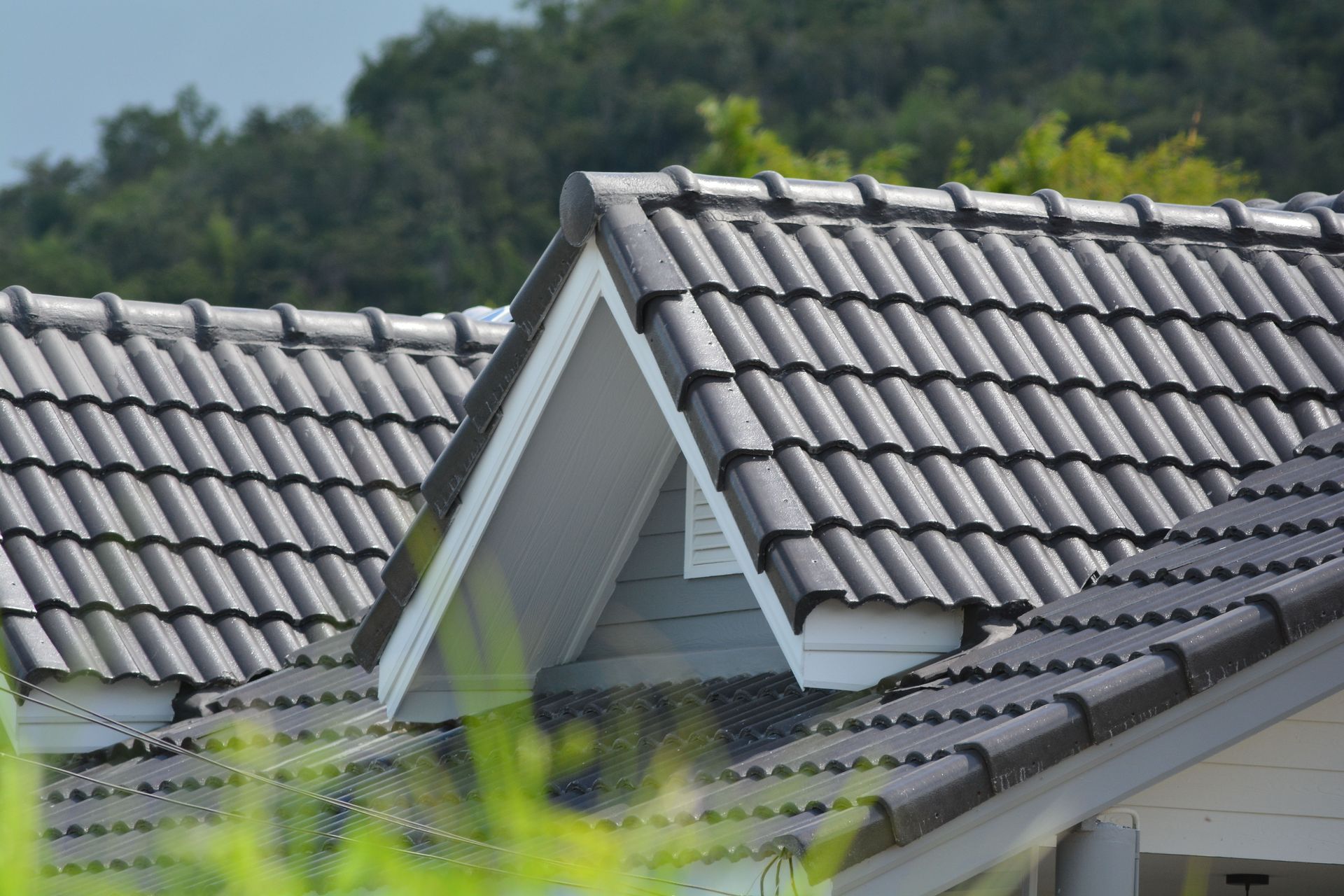
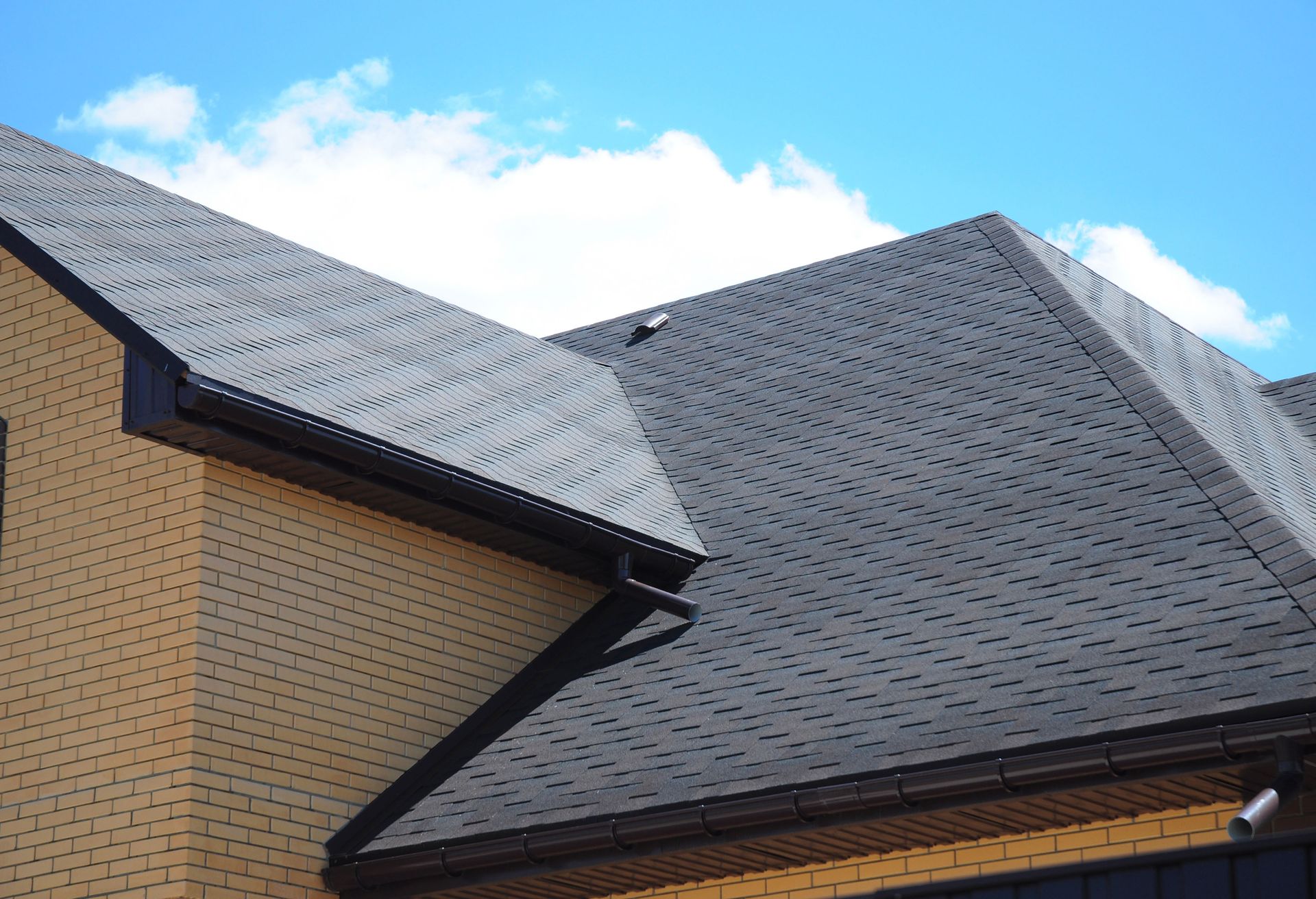
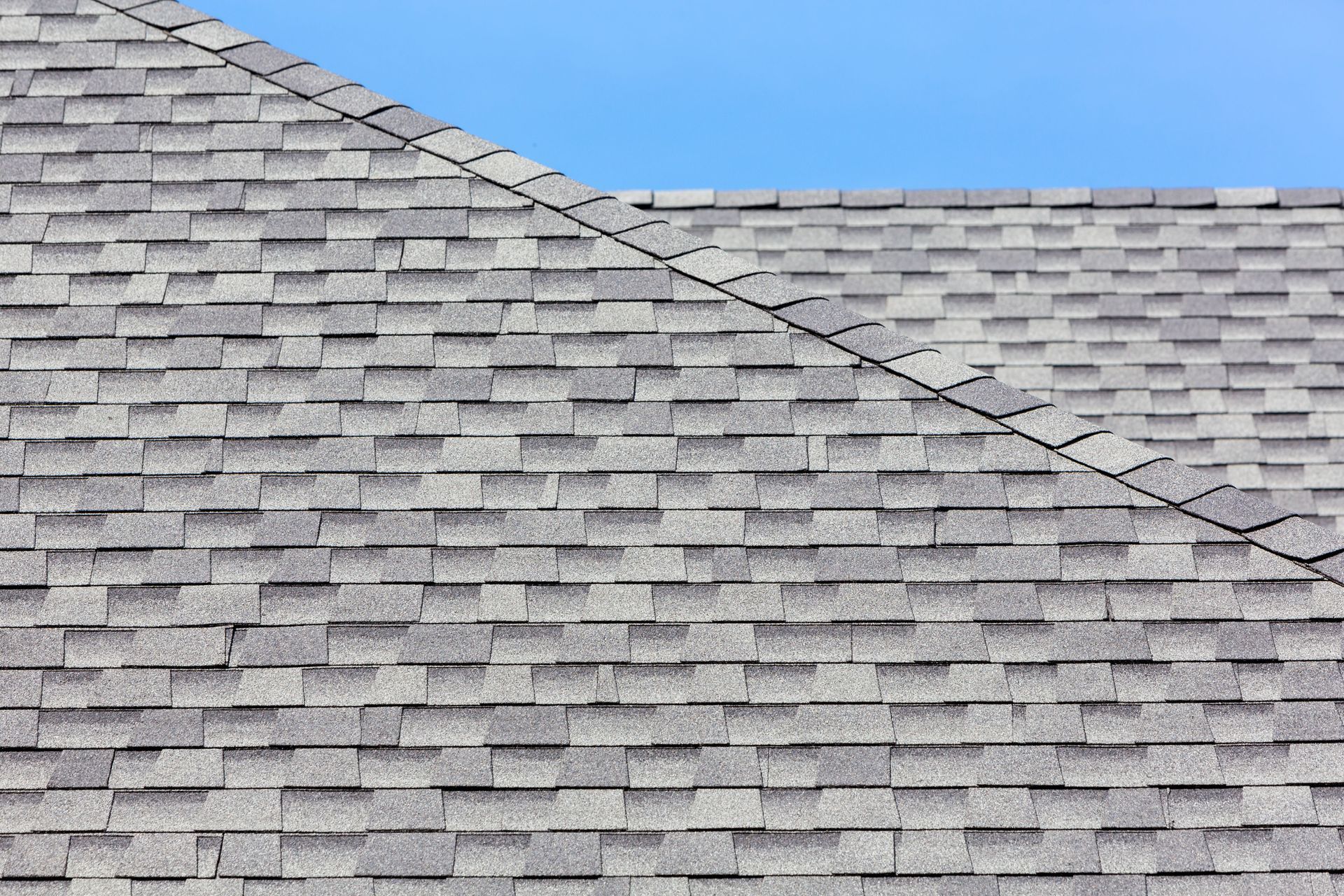
Spring roof replacements positively impact the performance and longevity of various roofing materials. The moderate climate ensures asphalt shingles adhere consistently, preventing future leaks or damage. Conversely, harsh summer or winter conditions can expedite material wear, leading to more frequent repairs and higher costs. When roofing materials experience extremes, their physical integrity is compromised, reducing their lifespan and effectiveness. Spring conditions improve material performance, translating to sustained home protection and increased investment returns.
Spring allows for experimentation with new roofing materials and methods, made possible by the favorable conditions. Homeowners wanting to explore innovative options such as green roofs or solar shingles benefit from the moderate weather, overseeing material setting phases. New technologies require proper adaptation and application to leverage the benefits of energy savings and design appeal. Timely planning and implementation during spring align these innovative solutions with an optimal environmental setting, ensuring smooth transitions and integration with existing structures. Such strategies cultivate improved home value and aesthetics, benefiting homeowners in the long term.
Avoiding the Winter Rush
One of the major challenges of scheduling roof replacements is the increased demand in autumn as homeowners prepare for winter. Roofers are often booked months in advance during this period, leading to inflated prices and limited flexibility in scheduling. Opting for spring roof replacements alleviates this pressure, ensuring homeowners receive timely and affordable services. Additionally, it avoids the inconvenience of having critical roof work conducted under less-than-ideal weather conditions prevalent in the fall or winter. The strategic timing results in project optimization, aligning contractor availability with customer needs.
By avoiding the winter rush, families reduce their risk of experiencing roofing emergencies during harsh weather. Potential problems like roof leaks or structural damage become less pressing or urgent when addressed in spring, as the cause of concern is systematically rectified. This proactive decision alleviates anxiety and provides a secure and well-protected home environment year-round. Homeowners can comfortably schedule this project, with sufficient time for alternative accommodation if required, avoiding midwinter complications. Combined, these benefits position spring as the logical choice to preemptively handle roofing needs and mitigate potential inconveniences.
Aligning With Maintenance Schedules
Implementing a roof replacement during spring aligns with common home maintenance cycles, allowing homeowners to synchronize other repair and maintenance activities. Conducting multiple maintenance routines at once minimizes disruption and strategically coordinates resources. By consolidating efforts, homeowners enhance the home's overall appearance and performance, with the newly installed roof functioning as a centerpiece of these transformation efforts. This comprehensive approach identifies additional issues when replacing the roof, ensuring all potential concerns are addressed simultaneously.
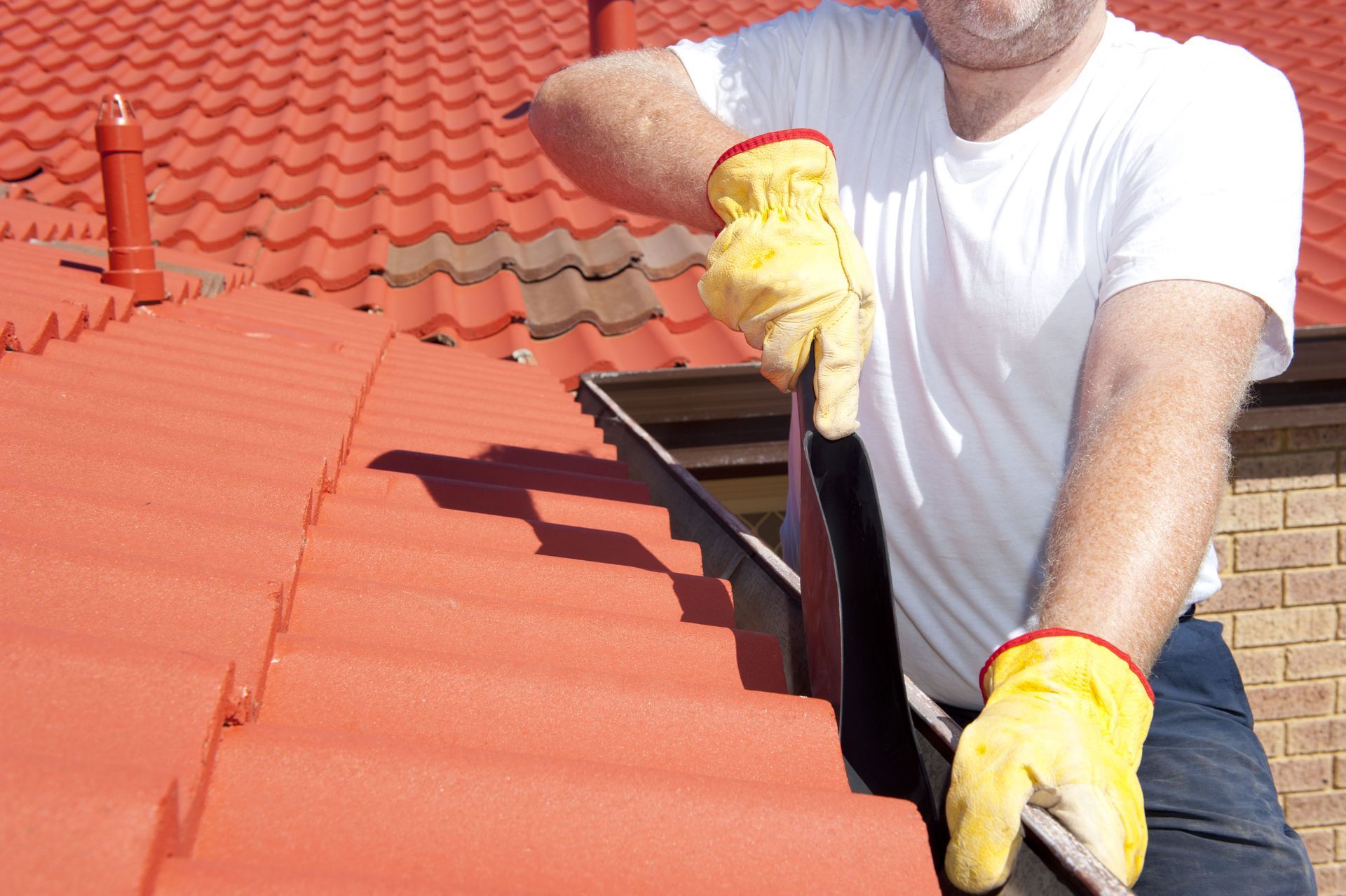
Coordinating a roof replacement with seasonal maintenance optimizes planning and execution standards. Roof replacements provide an opportunity to inspect gutters, eaves, and other critical home features, ensuring their condition supports the new roof's performance. The synergy created by integrated maintenance enhances home aesthetics and energy efficiency, with optimal functionality assured across all systems. Additionally, incorporating roof improvements such as insulation upgrades during replacement projects enhances overall energy savings. With everything running cohesively, long-term benefits in terms of costs and sustainability can be realized.
Identifying Signs of Wear and Tear
Identifying signs of wear and tear is a crucial step in assessing the necessity of a roof replacement. Common indicators include missing or cracked shingles, which can expose the underlayment to further damage. Discoloration on roofing surfaces often signals water damage or mold, both red flags for potential replacements. Also, curling shingles and granule loss suggest that the materials are nearing the end of their lifespan. By keeping an eye out for these symptoms, homeowners can correctly gauge the urgency of hiring roofers.
Regular inspections should occur at least twice a year, ideally before and after harsh weather seasons. These inspections allow homeowners to actively look out for emerging problems before they escalate into costly issues. Seasonal changes often bring new challenges for roofs, such as ice dams in winter or intense UV exposure in summer. By identifying damage like nail pops or worn flashing early, potential leaks or structural concerns can be proactively managed. Consequently, timely identification of wear signs allows for strategic scheduling of roof replacements, especially in the safe window that spring provides.
Professional Inspections
While homeowners can initially identify damage signs, professional inspections provide a detailed and accurate analysis of the roof's condition. Qualified roofing specialists utilize their extensive experience to identify problems that lie beyond the readily visible areas ignored during casual observation. Professionals employ specialized equipment and technology, like drones and infrared cameras, to evaluate hidden damage or problematic areas comprehensively. This in-depth assessment ensures every potential vulnerability is recorded and addressed during roof replacement planning, preventing overlooked issues post-installation.
Professional inspectors also provide an unbiased perspective on whether repair or replacement is the more appropriate course of action. Their evaluations consider several factors, including the roof's age, material condition, and performance history, to deliver a comprehensive understanding of its status. Upon identifying significant or irreparable defects, inspectors offer tailored replacement recommendations that best fit the homeowner's situation. By distinguishing pitfalls and alternatives, professional evaluations optimize outcomes and ensure seamless integration with the home's structural integrity.
Deciding Between Repair and Replacement
Deciding between hiring roofers for roof repair or replacement involves careful consideration of several key factors, including cost, age, and severity of the damage. When damage is minimal to specific areas, repair may be a more cost-effective solution, extending the roof's life while maintaining functionality. Conversely, widespread or severe damage can signify a compromised roof that may result in future leaks or structural concerns if left unaddressed. In such cases, full replacement is often the wiser choice, mitigating issues through comprehensive restoration while enhancing the home's value. Careful examination and evaluation empower homeowners to select the most appropriate action for their needs and circumstances.
While cost considerations often drive decision-making, replacing the roof may yield long-term savings compared to extensive ongoing repairs. Evaluating energy savings, insurance premiums, and periodic repair expenses can offer a comprehensive perspective on the overall financial implications of each option. A replacement may eliminate recurrent issues, offering improved insulation and modern design elements that bolster the property's appeal and functionality. Ultimately, choosing between repair and replacement surrounds multiple dimensions, including cost-efficiency, structure alignment, and future implications, culminating in a strategy addressing immediate functions and prospective growth.
Hiring a roofer in the spring offers homeowners a valuable opportunity to improve their property under favorable weather conditions while avoiding the stress and expense of peak roofing seasons.
Ultimately, a well-planned spring roof replacement not only strengthens a home's structural integrity but also improves energy efficiency, curb appeal, and long-term value. Taking proactive steps today can ensure lasting peace of mind and reliable protection for years to come. To schedule your seasonal roof service, reach out to Highbridge Restoration today.